Geneva Convention Ww2 Japan / Hidden Horrors Japanese War Crimes In World War Ii Asian Voices Tanaka Yuki Dower John W 9781538102695 Amazon Com Books / The japanese officer corps labeled the geneva convention the coward's code and branded allied capitulation another western mindset as corrupt and contemptible as democracy.
Dapatkan link
Facebook
X
Pinterest
Email
Aplikasi Lainnya
Geneva Convention Ww2 Japan / Hidden Horrors Japanese War Crimes In World War Ii Asian Voices Tanaka Yuki Dower John W 9781538102695 Amazon Com Books / The japanese officer corps labeled the geneva convention the coward's code and branded allied capitulation another western mindset as corrupt and contemptible as democracy.. Its official name is the convention relative to the treatment of prisoners of war, geneva july 27, 1929. After the nürnberg and tokyo trials, numerous international treaties and conventions attempted to. All the major belligerents in the second world war fell short of the convention's standards in some respects. Geneva gas protocol, in full protocol for the prohibition of the use in war of asphyxiating, poisonous or other gases, and of bacteriological methods of warfare, in international law, treaty signed in 1925 by most of the world's countries banning the use of chemical and biological weapons in warfare. Geneva, 12 august 1949) and two addendums dated 1977, built on the experiences of world war ii (ww2 japanese pows in picture) and contained most of the above and the following additional articles of international law:
The geneva convention (1929) was signed at geneva, july 27, 1929. As uno shintaro, an officer stationed in china, later recounted: The geneva convention was a series of international diplomatic meetings that produced a number of agreements, in particular the humanitarian law of armed conflicts, a group of international laws. However, in world war two there were many examples of prisoners of war being treated in a manner outside of the 'rules' of the geneva convention. Japan did sign the geneva convention but, like the ussr, failed to ratify it, so was not bound by the laws.
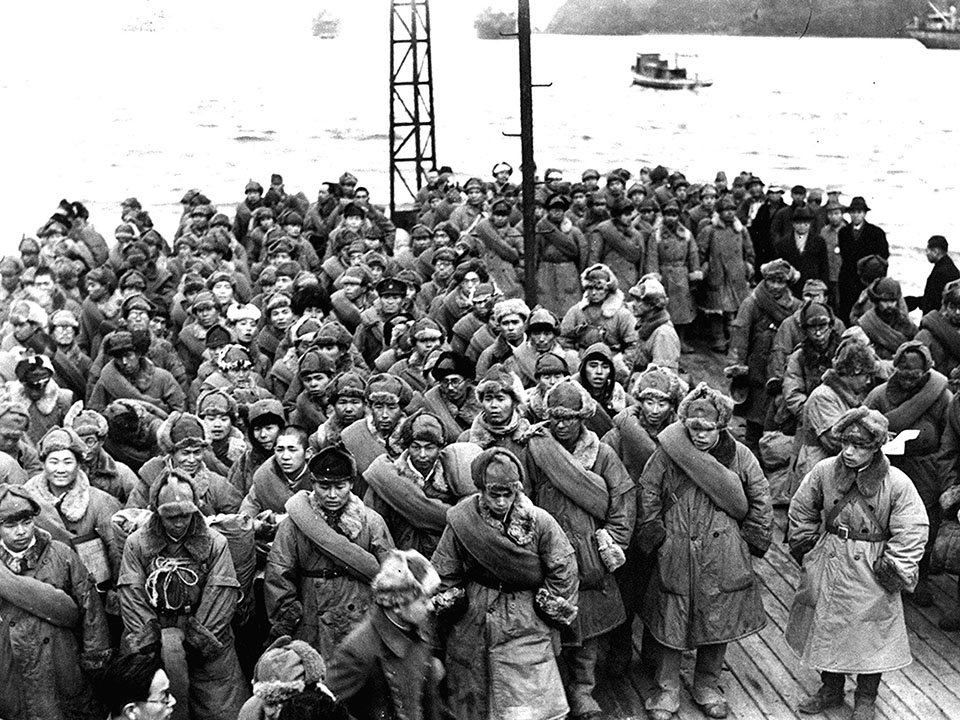
The Fate Of Japanese Pows In Soviet Captivity The National Wwii Museum New Orleans from www.nationalww2museum.org It is this version of the geneva conventions which covered the treatment of prisoners of war during world war ii. The rules regarding the humane treatment of prisoners of war during world war ii were developed at the 1929 geneva convention. Geneva gas protocol, in full protocol for the prohibition of the use in war of asphyxiating, poisonous or other gases, and of bacteriological methods of warfare, in international law, treaty signed in 1925 by most of the world's countries banning the use of chemical and biological weapons in warfare. Geneva, 12 august 1949) and two addendums dated 1977, built on the experiences of world war ii (ww2 japanese pows in picture) and contained most of the above and the following additional articles of international law: The 1929 geneva convention consisted of many separate provisions. The 1949 version of the geneva convention (convention (iii) relative to the treatment of prisoners of war. The western powers involved in the pacific war had all adhered to the geneva and hague conventions, and, though japan never ratified the third geneva convention, she had ratified the hague conventions and announced in 1942 that she would abide by all the conventions. The japanese officer corps labeled the geneva convention the coward's code and branded allied capitulation another western mindset as corrupt and contemptible as democracy.
The geneva convention (1929) was signed at geneva, july 27, 1929.
Japan didn't sign the 1929 geneva convention on treatment of pows, and nearly half of all americans captured by the japanese in ww2 were killed in custody. Its official name is the convention relative to the treatment of prisoners of war, geneva july 27, 1929. Geneva, 12 august 1949) and two addendums dated 1977, built on the experiences of world war ii (ww2 japanese pows in picture) and contained most of the above and the following additional articles of international law: After the nürnberg and tokyo trials, numerous international treaties and conventions attempted to. In 1929 the geneva conventions relative to the treatment of prisoners of war was signed by 47 governments. Japan did not sign the geneva convention until 1953 so this did not apply to them in ww2. During world war ii, the japanese regularly tortured those they captured. Collective punishment, pillaging, and reprisals were perfectly legal during wwii. Russian, german, japanese, us and uk all committed ww2 war crimes according to the geneva convention then in force. War has never had marquis of queensbury rules i assure you. In blatant defiance of the geneva convention, allied prisoners of war under japanese control were routinely tortured for information. The geneva convention (1929) was signed at geneva, july 27, 1929. It was drafted at the 1925 geneva conference as part of a series of measures designed to.
The 1929 geneva convention consisted of many separate provisions. As uno shintaro, an officer stationed in china, later recounted: Geneva conventions, a series of international treaties concluded in geneva between 1864 and 1949 for the purpose of ameliorating the effects of war on soldiers and civilians. Japan, during world war ii, made history by attacking pearl harbor, quickly conquering vast territories in the pacific, defying the geneva convention by mistreating prisoners of war, and fighting to the death with legendary kamikazes. However, in world war two there were many examples of prisoners of war being treated in a manner outside of the 'rules' of the geneva convention.
Pin On Railway from i.pinimg.com Collective punishment, pillaging, and reprisals were perfectly legal during wwii. The fourth geneva convention dates from 1949, the war ended in 1945. The treaty was called the geneva convention. Japan, during world war ii, made history by attacking pearl harbor, quickly conquering vast territories in the pacific, defying the geneva convention by mistreating prisoners of war, and fighting to the death with legendary kamikazes. After the nürnberg and tokyo trials, numerous international treaties and conventions attempted to. I ask that the congress declare that since the unprovoked and dastardly attack by japan on sunday, december 7, 1941, a state of war has existed between the. At this point the convention was only concerned with wounded soldiers but it soon expanded to include others caught up in warfare who were not actually fighting. Although the 1929 geneva convention on prisoners of war provided the regulations how prisoners of war should be treated, the empire of japan never signed the agreement (except the 1929 geneva convention on the sick and wounded).
Two additional protocols to the 1949 agreement were approved in 1977.
It entered into force 19 june 1931. The conventions in the pacific war. The western powers involved in the pacific war had all adhered to the geneva and hague conventions, and, though japan never ratified the third geneva convention, she had ratified the hague conventions and announced in 1942 that she would abide by all the conventions. Japan signed the 1929 convention but failed to ratify it. Geneva, 12 august 1949) and two addendums dated 1977, built on the experiences of world war ii (ww2 japanese pows in picture) and contained most of the above and the following additional articles of international law: Torture was an unavoidable necessity. The 1949 version of the geneva convention (convention (iii) relative to the treatment of prisoners of war. Japan did not sign the geneva convention until 1953 so this did not apply to them in ww2. During world war ii many countries violated these basic laws of war. Stories about japan in world war ii general hideki tojo—the dominant leader of japan during world war ii At this point the convention was only concerned with wounded soldiers but it soon expanded to include others caught up in warfare who were not actually fighting. The fourth geneva convention dates from 1949, the war ended in 1945. The rules regarding the humane treatment of prisoners of war during world war ii were developed at the 1929 geneva convention.
The 1929 geneva convention consisted of many separate provisions. In blatant defiance of the geneva convention, allied prisoners of war under japanese control were routinely tortured for information. Under the geneva conventions, the detaining power must grant prisoners of war monthly pay, defined by their rank. Remember your status as prisoners of war, one japanese camp commandant told his prisoners in 1942. After the nürnberg and tokyo trials, numerous international treaties and conventions attempted to.
Eden For Enemy Prisoners The Role Of International Humanitarian Law In Indiana During World War Ii Indiana Legal Archive from images.squarespace-cdn.com It was drafted at the 1925 geneva conference as part of a series of measures designed to. It entered into force 19 june 1931. However, in 1942 japan made a promise to abide by its terms and indicated it would observe the hague convention of 1907. Stories about japan in world war ii general hideki tojo—the dominant leader of japan during world war ii The 1929 geneva convention consisted of many separate provisions. Japan did sign the geneva convention but, like the ussr, failed to ratify it, so was not bound by the laws. The rules regarding the humane treatment of prisoners of war during world war ii were developed at the 1929 geneva convention. The geneva convention was a series of international diplomatic meetings that produced a number of agreements, in particular the humanitarian law of armed conflicts, a group of international laws.
The terms of the geneva convention were ignored by the japanese who made up rules and.
It entered into force 19 june 1931. Japan, however, gave a qualified promise (1942) to abide by the geneva rules, and the ussr announced (1941) that it would observe the terms of the hague convention of 1907, which did not provide (as does the geneva convention) for neutral inspection of prison camps, for the exchange of prisoners' names, and for correspondence with prisoners. The terms of the geneva convention were ignored by the japanese who made up rules and. These rules are put forth in agreements such as the geneva convention. Prisoner of war camps in japan housed both capture military personnel and civilians who had been in the east before the outbreak of war. The geneva convention (1929) was signed at geneva, july 27, 1929. All the major belligerents in the second world war fell short of the convention's standards in some respects. Japan signed the 1929 convention but failed to ratify it. During world war ii many countries violated these basic laws of war. The geneva convention (1929) was signed at geneva, july 27, 1929. The second world war was drawing painfully to a close when, in february 1945, the icrc announced its intention to push for a revision of the geneva conventions, to make up for some of the shortcomings in the existing treaties. The second geneva convention expanded the first to include those wounded at sea. Two additional protocols to the 1949 agreement were approved in 1977.
Clippers Coach Fired : LA Clippers coach Doc Rivers says 'no secret' to team's collapses in Games 5 and 6 - ABC7 Los ... : Thank you clipper nation for allowing me to be your coach and for all your support in helping making this a winning franchise. . Thank you clipper nation for allowing me to be your coach and for all your support in helping making this a winning franchise. Ending several weeks of speculation, the los angeles clippers fired coach mike schuler on sunday, the organization`s sixth coach in 10 years. Lue was in his second stint with the clippers. La clippers' coach doc rivers in 2017. Brad turner covers the clippers for the los angeles times and joined kcrw's steve chiotakis to discuss the reasons for the firing, and some of the rumored possibilities for del negro's successor. 39 rumors in this storyline. Throw former los angeles clippers coach doc rivers into the mix when it comes to the houston rockets' coaching vaca...
What Is Critical Race Theory In Education / Rashid: What Is Critical Race Theory? Why Don't We Ask The ... - Critical race theory is a concept that's been around for decades and seeks to understand inequality some critical race theorists also believe notions of race are products of social thought and relations, not biology. . Yet most americans have never heard of it — and of those who have, many this year, i produced another series of reports focused on critical race theory in education. Critical race theory (crt) is an analytical framework that stems from the field of critical legal studies that addresses the racial inequities in society. Critical race theory is dangerous. Critical race theorists hold that the law and legal institutions in the united states are inherently racist. Critical race theory (crt) is a postmodernist construct based on critical theory that teaches that race is not genetic. A generation of teachers has been trained in its toxic assu...
Ed Sheeran Bad Habits Lyrics - Ed Sheeran Reflects On 'Bad Habits' In New Song Lyrics ... : Pop star ed sheeran says he has changed his approach to life and work since the birth of his he said the clip, which was directed by dave meyers, was inspired by both the lyrics and his love of i wanted the video for bad habits to play on the nature of habits in a fantastical way, so i decided on. . Doja cat i don t do drugs lyrics ft ariana grande. 442 views, added to favorites 19 times. Save your favorites add the lyrics you like the most to your favorites list. Ed sheeran bad habits official audio treaser 2. Текст ed sheeran — bad habits. Fans who have been listening to ed for years will notice straight away that 'bad habits' is a tad different to his usual acoustic sound. Ed sheeran bad habits 25th june. Gsus2conversations with a stranger i barely know. Save your favorites add the lyrics you like the most to your favorites list. Upload your favorite lyri...


Komentar
Posting Komentar